





Wittelsbach Castle Dachau

High above Dachau's old town

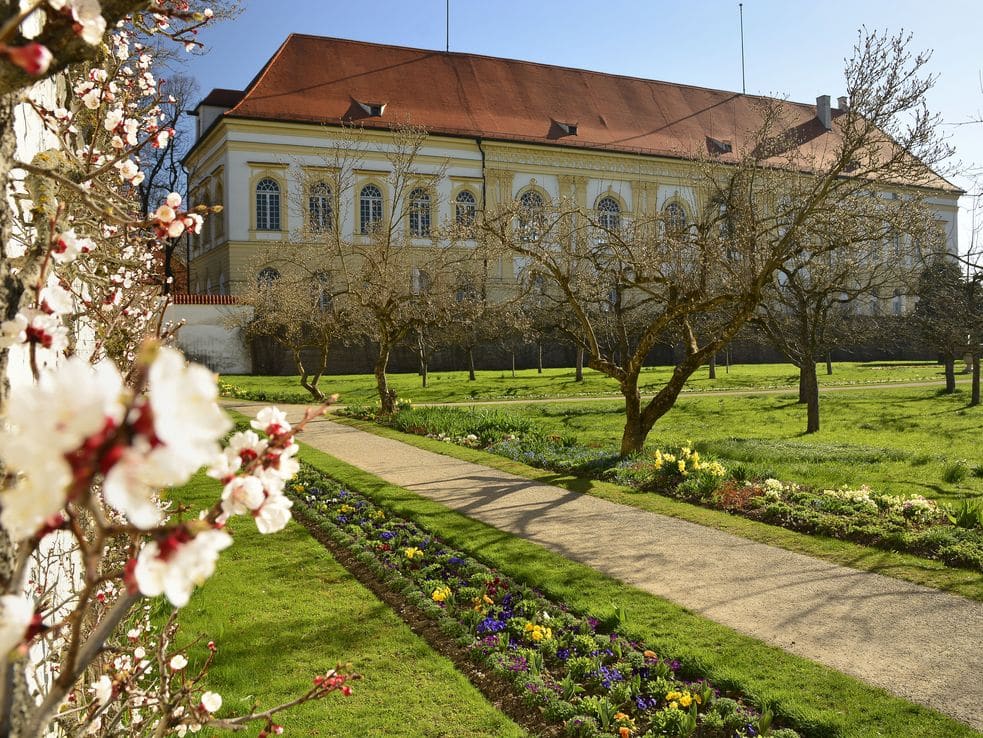
High above the historic old town Dachau Palace is enthroned on the Schlossberg: once a popular summer residence of the Wittelsbach dynasty with its magnificent court garden.

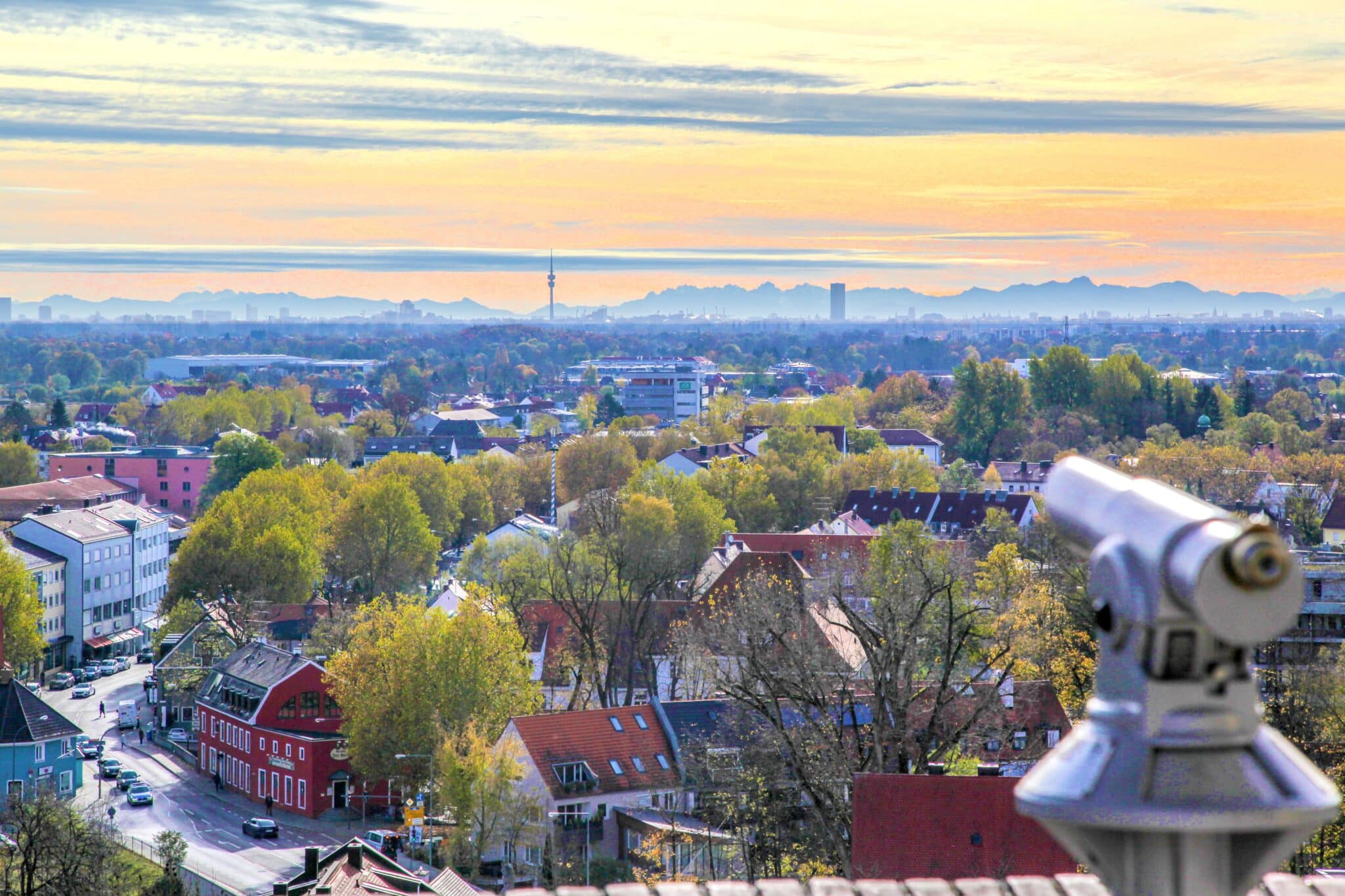
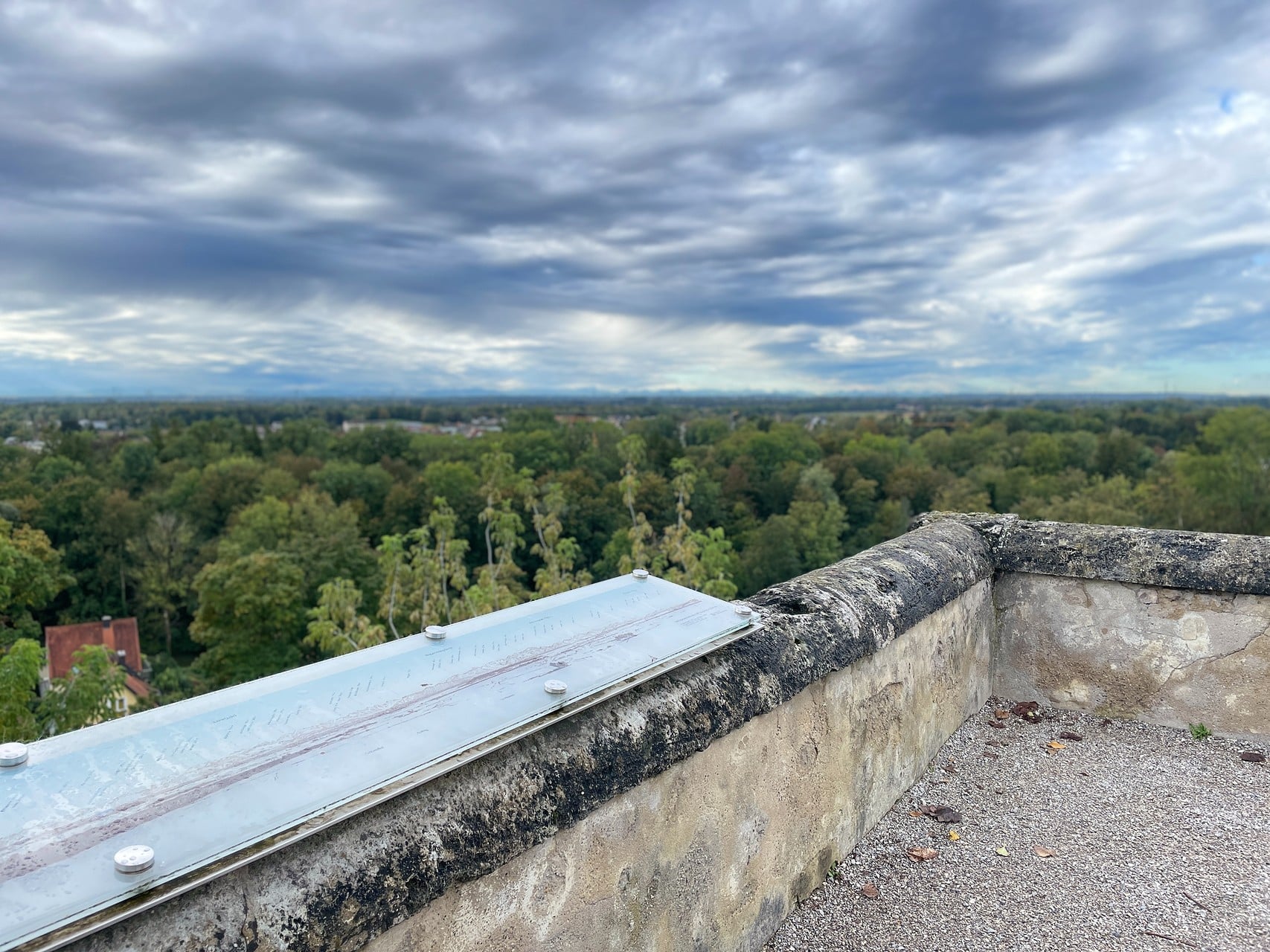
Those who take on the ascent will be rewarded with a truly royal view over the landscape of the so-called Munich gravel plain and the state capital as far as the Alps. When the foehn is blowing, the Olympic Tower and the Alps seem close enough to touch.

The Dachauer Moos, which forms the green belt to Munich at the feet of the guests, acted like a magnet for the artists of the time over a hundred years ago, who turned Dachau into a Artists' colony made.
Experience Dachau Castle

Regular guided tours of Dachau Castle. The current dates can be found here.

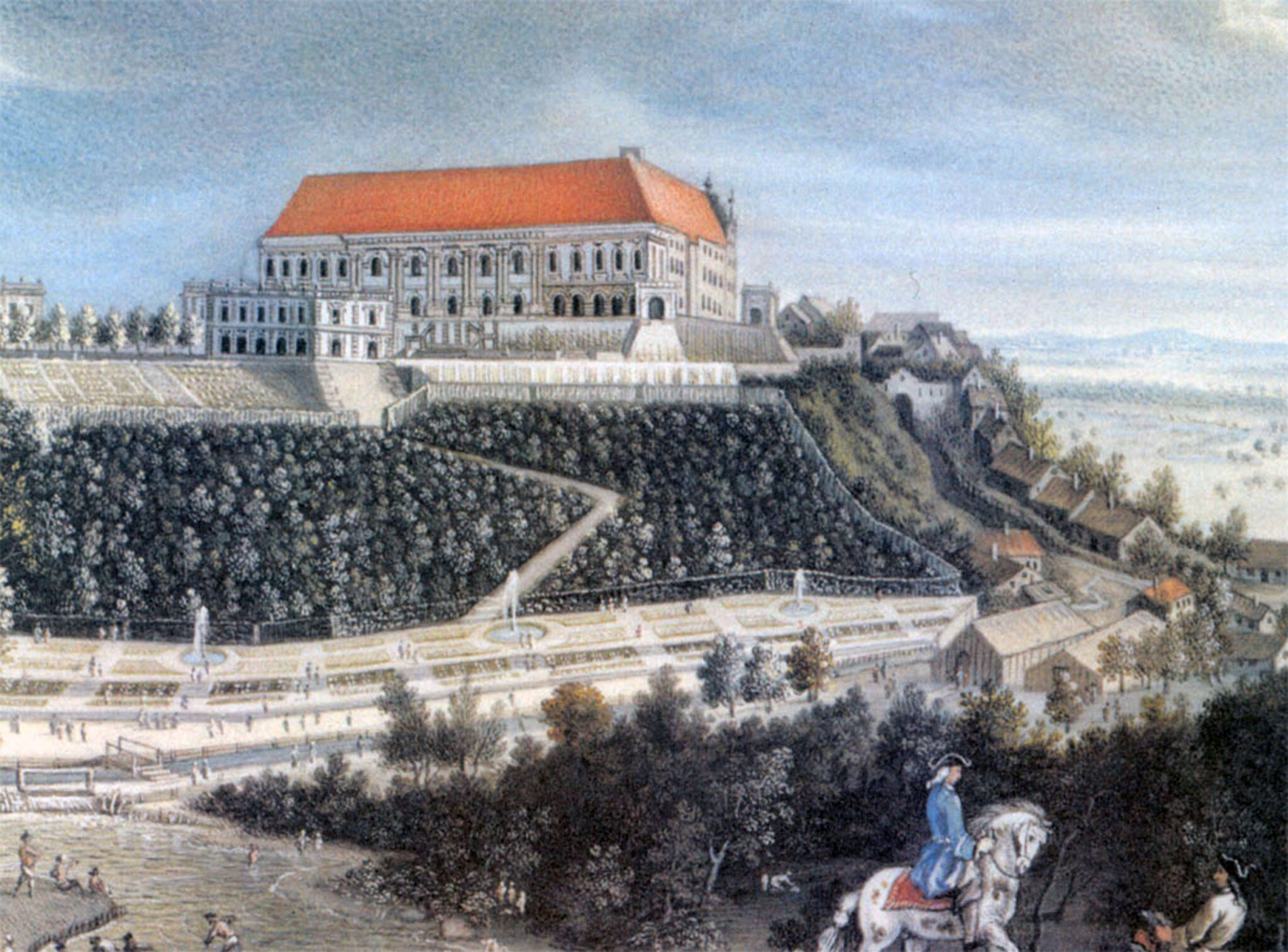
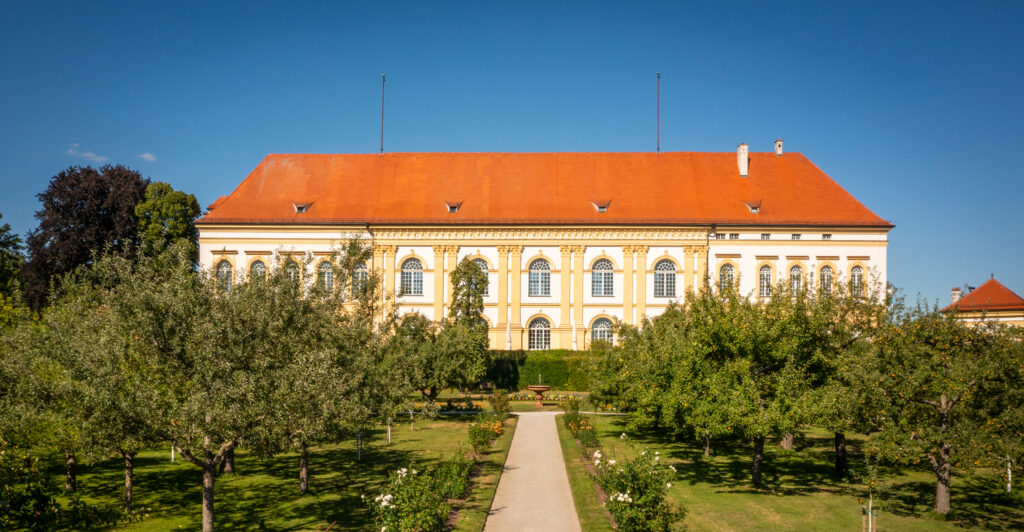
Dachau Castle Exterior:

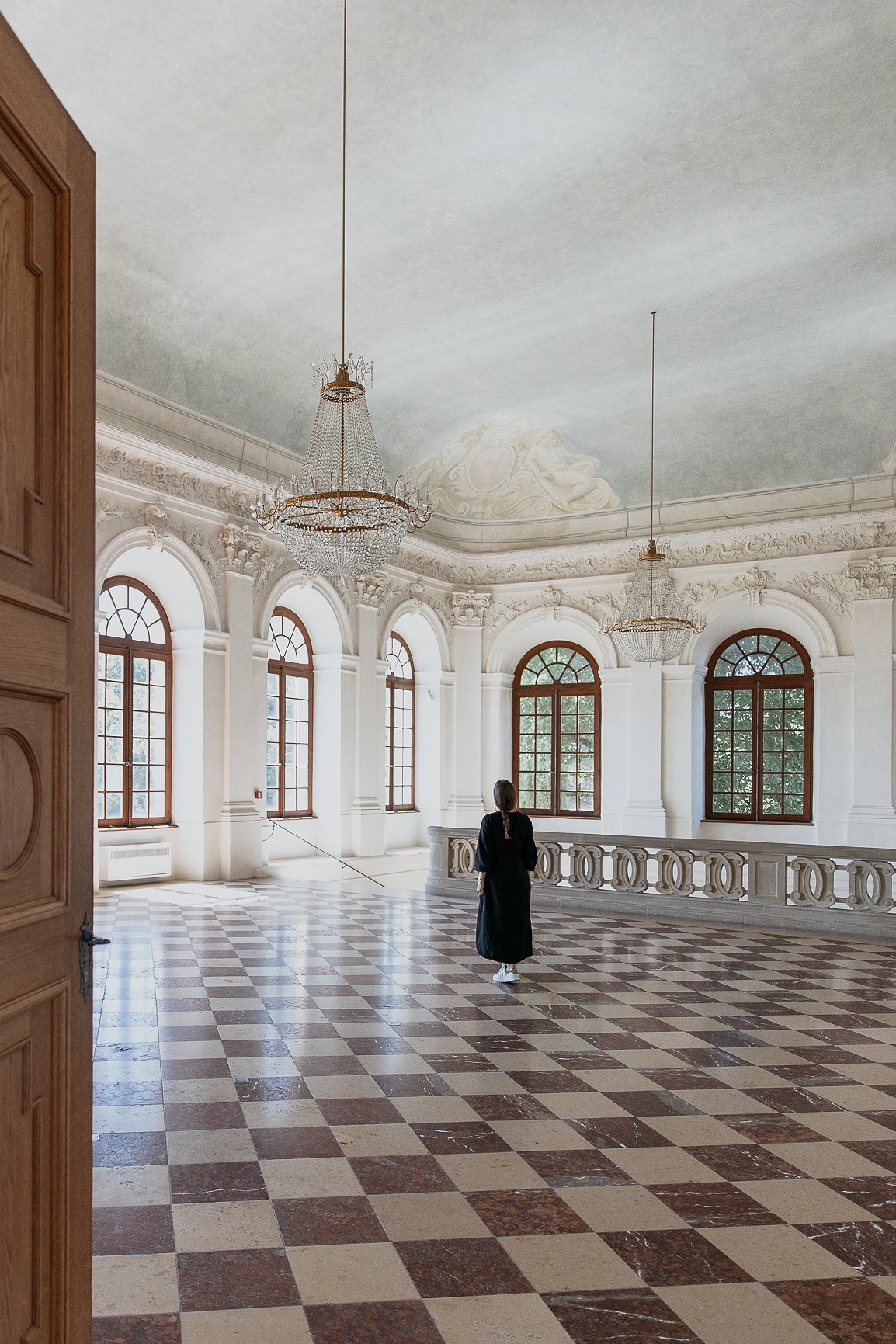
Dachau Castle Interior:

Dachau Palace Court Garden:

Stop off for coffee and cake or a romantic dinner Dachau Castle Café & Restaurant

Visit Dachau Castle when it becomes the backdrop for international stars of classical music. Castle concerts 

The history of Wittelsbach Castle

The unique hilltop location with unobstructed views across the plain to the Alps was once home to a castle belonging to the Counts of Dachau. At the end of the 12th century, ownership passed to the House of Wittelsbach.

 Between 1546 and 1577, Duke Wilhelm IV and his son Albrecht V had the former castle complex extended into a mighty four-winged Renaissance palace.

At an altitude of 504 m, it offered a view of the nearby royal seat of Munich and large parts of the Duchy of Bavaria, and Dachau Palace became a favorite country residence of the Munich court.

There is still an original memorial stone in the vestibule that commemorates the builders, Duke William IV and his son Duke Albrecht V.

 At the beginning of the 19th century, Max Joseph, the first King of Bavaria, decided to have three badly damaged wings of Dachau Castle torn down for reasons of economy.

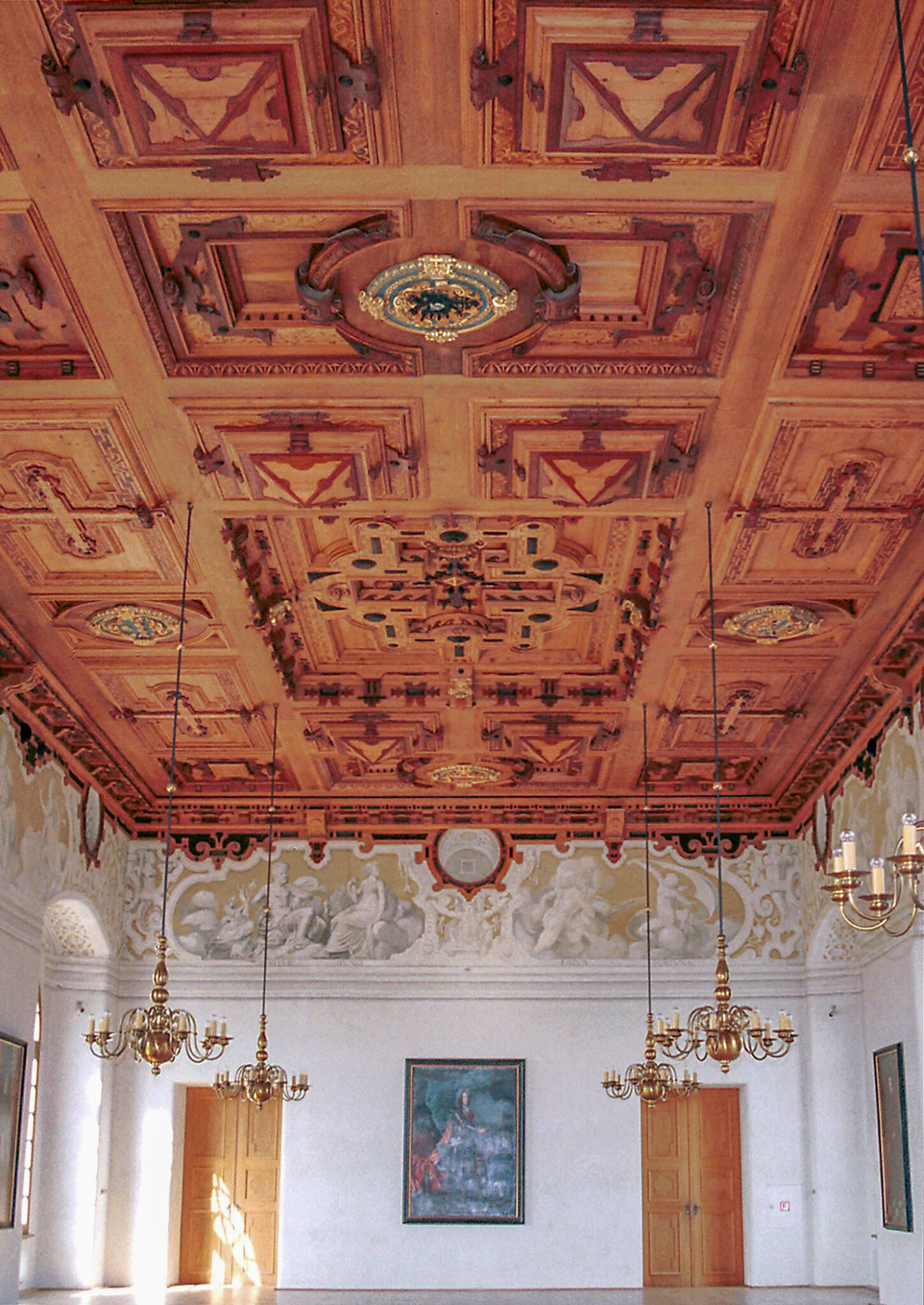
Only the south-west wing with the banqueting hall, which had also been used as a warehouse for a time, remained standing. The famous Renaissance wooden coffered ceiling of the ballroom by Kistler Hans Wisreutter was preserved, as was the grisaille painting by Hans Thonauer.

In 1578, an elaborately laid out court garden was created under Albrecht V.

  • From 1715 to 1717, Elector Max Emanuel, who was particularly fond of Dachau, had the hall wing redesigned in the Baroque style by Joseph Effner.
  • From 1908, the castle was used for exhibitions by the Dachau Artists' Association.
  • The magnificent ceiling of the banqueting hall is made of various types of wood, some of which are only glazed
  • Seven coats of arms mounted on circular shields are attached like gemstones, indicating the owners of the house.
  • The coffered ceiling was removed in 1868 and exhibited in the Bavarian National Museum.
  • It was not until 1977 that the ceiling was reinstalled in its original position.

Detailed information can be found in the detailed guide „Dachau Castle“ available from the Tourist Information Office.

Today, Dachau Castle hosts the Dachau Castle Concerts with artists of international standing.

Visitor Information Dachau Castle

April - September: 9 am - 6 pm
October - March: 10 am - 4 pm 
Closed on Mondays


Access via the castle café. If this is closed, please ring the bell at the pillar in front of the castle entrance. 


Admission: 3,- €/person (2,-€ reduced)


The courtyard garden is open to visitors during the day.


Bus 719 / 720 stop „Rathaus“ from Dachau station (S2, RB6)

Parking available at the parking lot in front of the castle; public parking in Dachau's old town and in the Wieninger Straße parking garage.
Site plan / Google maps™

  • There are 2 disabled parking spaces directly in front of the castle.
  • The entrance to the palace and the courtyard garden are barrier-free.
  • An elevator with a door width of 90 cm is available. The controls are within reach of wheelchair users and are tactile.
  • A disabled WC is available.

Bavarian Administration of State Palaces, Gardens and Lakes